

No, all grill pellets are not the same. Their intended use, disclosed wood blend, physical condition and storage requirements can differ, even when two bags carry the same flavor name. The useful buying question is whether a particular bag suits your appliance and cooking routine, rather than which brand wins an unsupported league table.
Start with your appliance model and its fuel instructions, then read the actual package. Choose a suitable cooking pellet, check what its composition claim means, and buy an amount you can handle and keep dry. That sequence prevents a familiar wood name or an attractive bulk price from deciding the purchase before compatibility and condition have been checked.

Identify What The Pellets Will Do In Your Appliance
A pellet’s shape does not tell you whether it belongs in your cooker. Some grills burn pellets as their cooking fuel, while other appliances use a small quantity to add smoke flavor to heat produced another way. Ninja’s Woodfire Robust Blend XSKOP2R, for example, is described as a smoke-flavor product for specified Ninja appliances, not their primary heat source. That distinction matters before comparing bag size, price or wood species.
Read Your Model’s Fuel Requirements
Check the model number rather than relying on a brand name shared by several appliances. Read the approved fuel description and any restrictions on composition or pellet format. A retailer’s broad compatibility statement is not a replacement for the appliance instructions. If the bag and manual leave a question unresolved, ask the manufacturer before loading the fuel.
| Fuel Situation | What To Establish | Mistake To Avoid |
|---|---|---|
| Pellets Supply Cooking Heat | The exact grill’s permitted cooking-fuel specification | Assuming every bag of compressed wood is suitable |
| Pellets Supply Smoke Flavor | The designated smoke system and compatible fuel | Treating a flavor dose as interchangeable with a fuel-hopper supply |
| Pellets Are Sold For Home Heating | A separate intended purpose, rather than a cooking-fuel recommendation | Substituting heating fuel because it looks similar or costs less |
Wood-pellet barbecue grills must be operated outdoors, never in a garage or another enclosed space. Fuel selection does not make indoor operation safe. For an appliance that burns pellets, follow its placement and clearance instructions as well as its fuel rules.
Read Beyond The Wood Name On The Bag
“100% hardwood” and “100% hickory” are different statements. The first describes a material category; it does not necessarily mean that every piece of wood came from the species printed most prominently on the front. A flavor name can identify one component of a blend. Read the composition description before deciding that two hickory-labeled products are equivalent.
Kingsford’s current Hickory Craftsmoke product page identifies a hickory-and-oak blend. Bear Mountain’s FAQ explains that its base woods can include oak or alder, depending on regional production, and identifies some blends as proprietary. Neither example supplies a basis for inventing percentages or declaring base wood inferior. It shows why the exact package and current disclosure matter more than a brand-wide assumption.
If you want to compare a single species, look for an explicit species-composition statement. If you want an everyday blend, decide whether its description is clear enough to buy the same product again. Keep the full product name or a photograph of the label, because “the hickory bag” may be too vague when ordering a replacement. A changed package, formulation or product name deserves a fresh check rather than automatic trust in an old recommendation.
Separate Ingredient Claims From Performance Promises
A package can describe its ingredients without proving that it cooks hotter, produces better flavor or prevents mechanical trouble. Those are different claims requiring different evidence. The presence of a named wood, an additives statement or a glossy pellet surface does not establish a comparative performance ranking. We have not conducted a matched cooking test of the products discussed here.
Manufacturing descriptions also need careful reading. Traeger’s support page describes naturally occurring lignin binding pellets under pressure and soybean oil used in its manufacturing process. That is not evidence that the oil lubricates your grill’s auger or that one bag prevents jams. A statement about producing a pellet should not become an invented maintenance benefit.
The same discipline applies to taste. A reviewer or owner may prefer a blend without proving that it is strongest, cleanest-burning or best for everyone. Cooking conditions, food preparation and personal preference complicate the comparison. Use an attributed preference as an idea to explore within your appliance’s instructions, rather than a reason to dismiss every alternative.
Inspect The Bag You Are Actually Buying
Brand reputation cannot establish the condition of an individual bag after transport and storage. Look for package damage and evidence of moisture before accepting a purchase. When opening suitable fuel, distinguish a little loose dust from widespread crumbling or clumping. Record what you observe rather than diagnosing an appliance fault from appearance alone.
An August 2019 SmokingMeatForums discussion makes that distinction useful. A Copperhead 5 owner, posting as dward51, described dust after an initial burn-in and four cooks with Pit Boss hickory pellets. The owner explicitly said that their unit had not suffered a back-burn; the proposed connection between dust and fire was a theory. Another participant reported little dust with their own pellets, without establishing a controlled comparison.
The buying lesson is to inspect the actual fuel and keep maintenance accessible, not to pronounce a current brand unsafe from an older thread. Moisture history, handling and equipment were not held constant. If a bag seems compromised, keep its product identity and purchase information and raise the issue with the seller or manufacturer before using it. A discount is not useful if you cannot establish that the fuel is suitable and in acceptable condition.
Do not treat sifting as a repair for water-damaged pellets or a guarantee against fire. Manufacturer guidance identifies compromised fuel and accumulated dust as potential feeding concerns, but that does not prove a universal sieving routine. Mechanical troubleshooting belongs to the exact manual, including shutdown, cooling and power-disconnection requirements. Never reach into an operating feed mechanism to investigate a suspected jam.
Buy An Amount You Can Store And Use
The largest bag does not automatically make the most sensible purchase. A frequent cook with accessible dry storage faces a different decision from someone buying fuel for an occasional meal. Those are planning scenarios, not measured consumption profiles or customer case studies. Base the purchase on your own use, available space and ability to handle the package.
Compare current delivered cost per unit of weight using the actual price and net package weight. Include applicable shipping in the total rather than comparing a delivered offer with an unadjusted shelf price. Then consider how much of that purchase you can protect after opening. No price is quoted here because a useful comparison needs the real offer available when you buy.
Record The Same Fields For Each Bag
A small comparison record can make the decision easier to repeat. Use the same fields for each candidate so an appealing flavor name does not obscure missing compatibility or storage information. Record unknowns rather than filling them with guesses. The worksheet is a purchasing aid, not a prediction of cooking hours or annual savings.
| Record | Why It Matters |
|---|---|
| Exact Product And Bag Weight | Keeps different sizes and similarly named blends separate |
| Appliance Compatibility Evidence | Identifies the manual or product instruction supporting use |
| Total Current Cost | Supports a like-for-like unit-cost calculation |
| Storage Location And Container | Tests whether the quantity fits a workable dry-storage plan |
| Purchase Date And Bag Condition | Makes a later return or comparison more traceable |
Fuel quantity and grill capacity are separate decisions. If you are also choosing the cooker, our main-grate versus total cooking-space guide helps evaluate the food and pans you need to fit. A larger advertised cooking area does not establish how long a particular bag will last.
Plan Storage Around Exposure, Not A Universal Calendar
Hopper-storage advice often conflicts because owners are describing different circumstances. In an April 2023 Pit Boss forum discussion, a North Florida beginner asked how to keep humidity out between uses. Participants describing a covered PB 4 in Michigan and a PB 850 in Utah reported different routines and experiences. Their locations, equipment descriptions and exposure were self-reported, with no measured humidity or controlled bag histories.
That disagreement is a reason to plan around your own conditions, not to copy a stranger’s setup. A participant’s successful covered arrangement does not prove that your hopper is weatherproof or make a porch an approved cooking location. Consider the gap until your next cook, expected wet weather and the manufacturer’s storage instructions. Check whether the hopper-emptying arrangement is accessible before deciding that leaving fuel inside is your only practical option.
Official advice is conditional too. Traeger’s storage guidance allows short-term hopper storage in dry conditions but advises airtight storage for prolonged rain or high humidity. Recteq publishes its own time-based recommendations; those should not be applied automatically to every other appliance. There is no single empty-after-every-cook rule or expiry date established for all pellets and climates.
Choose storage that keeps the fuel dry, closes reliably and lets you retain the product identity. Keep different products identifiable instead of creating an unlabeled mixture that cannot be traced later. Do not assume that a new purchase is dry merely because its bag has just been opened. Follow the exact appliance instructions when removing fuel, and do not try to rehabilitate swollen or crumbling pellets with an oven, heater or improvised drying routine.
Choose A Starting Pellet Without Buying A Ranking
A useful first purchase is one you can justify and repeat. It should meet the appliance’s fuel requirements, have a composition description you understand, arrive in acceptable condition and fit your storage plan. After those checks, flavor preference can guide experimentation. It does not need to be presented as a universal winner.
If you compare suitable products over time, record the exact bag and relevant cooking circumstances. A change in weather, food, preparation or equipment can change a result, so do not credit every difference to the pellet. Your notes can help identify your preference without pretending to be a controlled test. Avoid buying a large speculative assortment before you know which products you can store and use responsibly.
Check The Purchase Before Paying
Before purchasing, close the practical gaps rather than chasing more promotional descriptions. A missing compatibility answer matters more than an extra flavor adjective. An uncertain storage plan matters more than a small unit-price advantage. Use this final check to decide whether to buy, choose a smaller quantity or ask a specific question first.
- Match the exact appliance to the permitted cooking-fuel description.
- Read the actual blend or species disclosure, including any limits.
- Check the package and fuel condition rather than assuming freshness.
- Compare the current total cost and a manageable quantity.
- Have a dry-storage and manufacturer-approved handling plan.
Frequently Asked Questions
These questions come from manufacturer guidance and public owner discussions. Exact appliance instructions take priority over a general buying guide. The answers distinguish a supported purchasing check from a universal performance promise.
Can I Use Another Brand Of Pellets In My Grill?
Check the exact grill’s fuel requirements rather than assuming a brand tie-in. Traeger’s support guidance explicitly says that using another brand of food-quality wood pellets does not itself void its warranty. That does not promise coverage for every fault or authorize unsuitable fuel in another manufacturer’s appliance. Read the applicable instructions and warranty terms for your model.
Does 100% Hardwood Mean 100% Hickory Or Apple?
No. Hardwood describes a category, while a claim about one species is more specific. A product carrying a hickory flavor name may disclose a blend, as Kingsford’s current Hickory Craftsmoke does. Read the exact composition statement and do not infer undisclosed percentages from the front label.
Can I Use Heating Pellets For Cooking?
Do not substitute home-heating pellets for cooking fuel. Similar appearance is not evidence of cooking suitability, and an inexpensive bag does not resolve that difference. Choose pellets intended for cooking that also meet your appliance’s requirements. If the purpose is unclear, establish it before loading the fuel.
Do I Need To Sift Pellets Before Every Cook?
There is no verified universal requirement established here. Some owners sift, but their practice does not demonstrate a fire-prevention guarantee. Distinguish normal loose dust from extensive deterioration and follow your manufacturer’s condition and maintenance guidance. Sifting cannot make moisture-damaged fuel acceptable.
Can Pellets Stay In The Hopper Between Cooks?
It depends on the appliance instructions, conditions and time until use. Dry short-term storage and a long wet-weather gap present different decisions. Plan access to the manufacturer’s fuel-emptying arrangement and suitable storage rather than assuming a cover seals out humidity. Another owner’s experience does not establish that your hopper is weatherproof.
Can I Dry Out Wet Pellets And Use Them Again?
Do not rely on a drying trick to restore moisture-damaged pellets. Swelling and crumbling are reasons to follow the manufacturer’s replacement and cleaning guidance. Do not add compromised fuel to see whether the auger can handle it. Mechanical inspection and clearing procedures must follow the exact manual after the required shutdown and isolation steps.
How Long Will An Open Bag Of Pellets Last?
No universal shelf life or number of cooking hours is established for every bag. Storage conditions, fuel condition, appliance use and manufacturer guidance matter. Keep the product and purchase date identifiable, and check condition before use. Buy a manageable quantity instead of treating a large discount as proof you will use the fuel in time.
Research Basis
This is researched buying guidance based on manufacturer information and directly inspected public owner discussions, not Best Grill Reviews hands-on testing. Owner reports illustrate practical questions and disagreement; they do not establish defect rates, brand rankings or controlled performance results. Exact source URLs, model context and access limits are retained in the editorial evidence register.
Cooking-Pellet Buying Examples
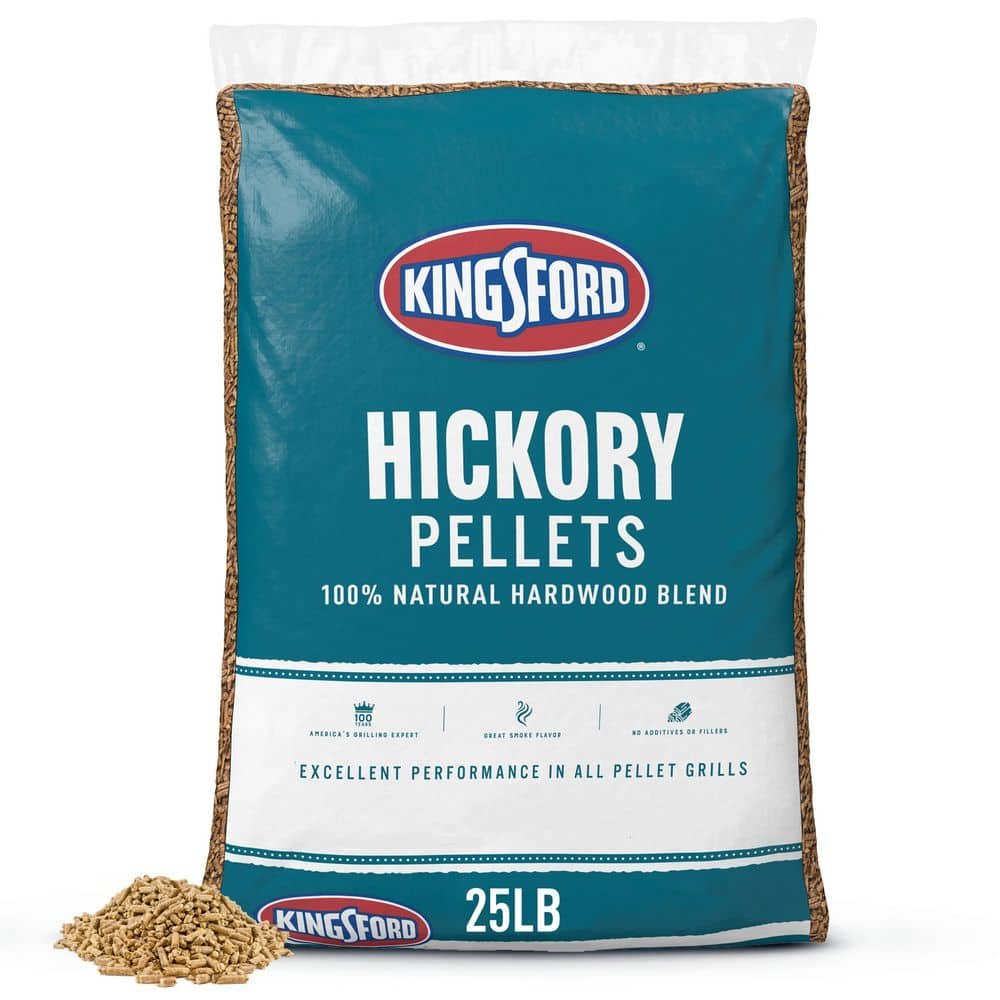
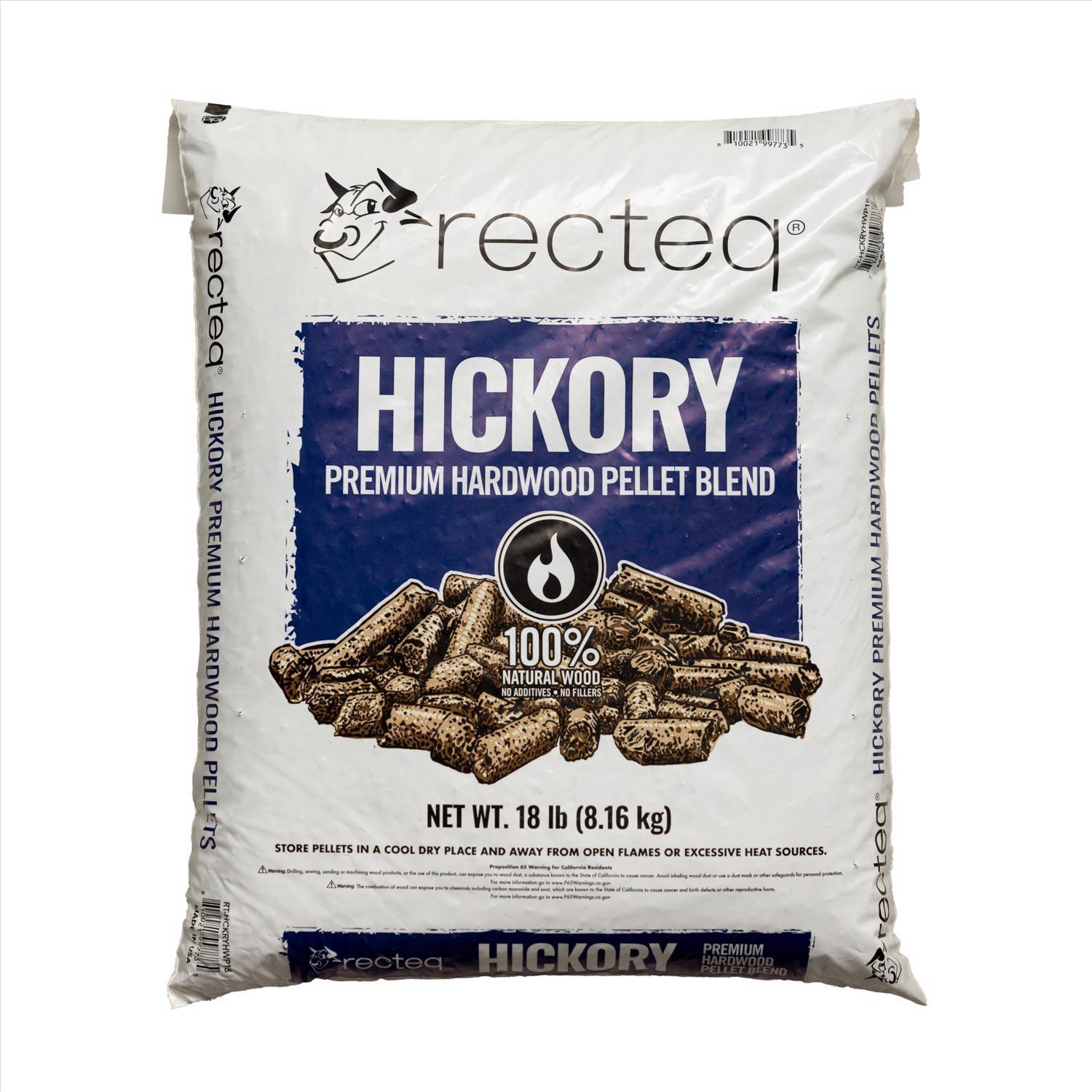
The linked offers below illustrate package choices, not a taste ranking. The Kingsford Hickory listing at The Home Depot is a 25-pound bag. Ace Hardware’s recteq Hickory offer is an 18-pound bag, identified as model J057. These are separate products, so do not transfer the composition of the Hickory Craftsmoke example discussed above to either bag without checking its own label.
Before buying, confirm that the pellets meet your appliance’s fuel requirements and that you can keep the quantity dry. Compare the current delivered cost per pound rather than the bag price alone. Inspect the exact product, package size and merchant availability before checkout; the linked offers can change. Neither product has been taste-tested by Best Grill Reviews.