Choose the cooking location before the grill. For an apartment, the useful first question is whether you need an appliance specifically intended for indoor use or an outdoor cooker for a permitted location. An electric element, a small body or a “smokeless” label does not settle that question.
Get these answers before ordering
- Exact model: what does its manufacturer’s manual say about indoor or outdoor operation?
- Permitted location: does your lease or building policy allow that appliance in the place you intend to cook?
- Usable setup: can you meet the model’s electrical, surface, clearance, weather and ventilation requirements there?
Guide updated November 5, 2026: this is a buying checklist based on manufacturer instructions and public safety guidance. We have not tested the products listed below for this update. Links to earlier reviews are retained for further research; their ratings are not new test results or confirmation of current availability.
Indoor and Outdoor Electric Models Are Different Choices
For indoor cooking, choose an exact model whose manufacturer permits that use, then follow its instructions for the cooking surface, working space, ventilation and electrical connection. Check the model number rather than relying on a retailer’s broad category or the appliance’s size.
Outdoor electric models must stay outdoors while cooking. For example, Weber’s US Q1400 guide and Lumin Compact guide, and Napoleon’s linked PRO285E guide, specify outdoor household use. A kitchen window or range hood does not change those instructions.
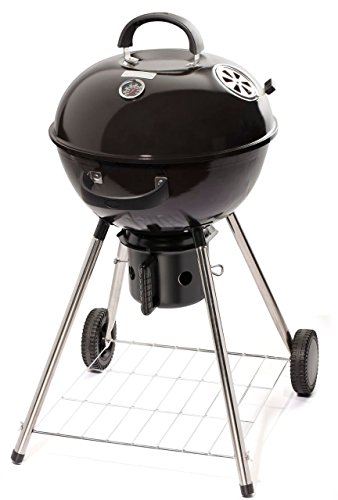
Charcoal is a separate, serious carbon-monoxide hazard: CPSC says never to use it inside homes, garages or other enclosed spaces. An electric fan on a charcoal cooker does not make it an indoor electric appliance.
When to Ask the Property Manager
Ask before buying if the permitted appliance type or cooking location is unclear. Identify the exact model and intended spot, including whether it is a countertop, balcony, patio or shared area. Ask about the building’s restrictions and any applicable local fire requirements; the relevant local authority can clarify local rules.
Do not assume that electric grills automatically pass a universal apartment code, or that the heating-element material creates an exemption from notification. Manufacturer instructions and permission to use a location are separate checks.
Check the Electrical Supply
Match the actual unit’s rating and manual to the available supply. Follow its grounding, GFCI protection and cord requirements. A three-prong outlet alone does not establish that the whole setup is suitable. Have uncertainties about the supply resolved by a qualified electrician.
A GFCI is not simply an overload fuse. As CPSC’s GFCI fact sheet explains, it detects a difference between outgoing and returning current and interrupts power to reduce shock risk. That protection does not establish how much power is available for the appliance.
Ventilation and Smoke Alarms
Use ventilation as specified for an appliance that is actually intended for indoor use. Food and grease can still create smoke; this guide cannot promise that a particular grill or meal will avoid triggering an alarm.
Keep smoke alarms operational. The U.S. Fire Administration warns against disabling an alarm or removing its battery while cooking. Follow the alarm’s instructions and the appliance manual; moving an outdoor-only cooker indoors is not a ventilation solution.
Plan the Meal, Cleanup and Storage
Measure the food and pans you cook most often, with room to turn and handle them. Then check the actual grate shape, open-lid space and required clearances. Our cooking-space worksheet uses other cookers as examples, but the menu-planning method can help you avoid buying solely by a burger-count claim.
Look at access to the drip tray and removable cooking parts. Check each component’s cleaning instructions rather than assuming every grate or electrical part can be immersed or put in a dishwasher.
Measure the storage location separately from the operating location. Follow the model’s cooling, storage and weather instructions. A cover or detachable stand does not make every unit suitable for year-round outdoor storage, and indoor storage does not authorize indoor cooking.
Updated Outdoor-Electric Buying Checks
- Lumin Compact vs Q1400: exact US models, cooking area, storage width and different cooking configurations.
- Napoleon PRO285E: published cooking space, electrical requirements, cleaning access and component-specific warranty checks.
Existing Grill Reviews to Explore
These older review links include different appliance types. Check the exact model’s intended location and current seller details before treating one as a suitable purchase for your apartment.

George Foreman GBR5750SEPQ Electric Indoor Grill

George Foreman GFO201 Indoor/Outdoor Rectangular Electric Grill

Hamilton Beach 25360 Electric Indoor Searing Grill

Tenergy TG01 Redigrill Smokeless Infrared Grill

Cuisinart GR-4N 5-in-1 Griddler

Giantex KC42178 1350W Electric BBQ Grill

T-fal OptiGrill XL GC722D53 Stainless Steel Indoor Electric Grill

Cuisinart CEG-980 Outdoor Electric Grill

George Foreman GGR240L Indoor Outdoor Grill